

A toothache that lingers after a root canal can leave anyone feeling uncertain and frustrated. You thought the problem had been solved, so why hasn’t the pain gone away or the swelling subsided?
If this sounds all too familiar, you’re not alone. For patients whose root canals have failed to fully address infection or inflammation, an apicoectomy might be the answer to saving that natural tooth and finally achieving long-lasting relief.
This cutting-edge procedure, available at RI Oral Surgery & Implant Center under the care of Dr. Ray English, offers hope when a traditional root canal doesn't succeed. Let’s dive into what an apicoectomy is and how it could be the solution you’re searching for.
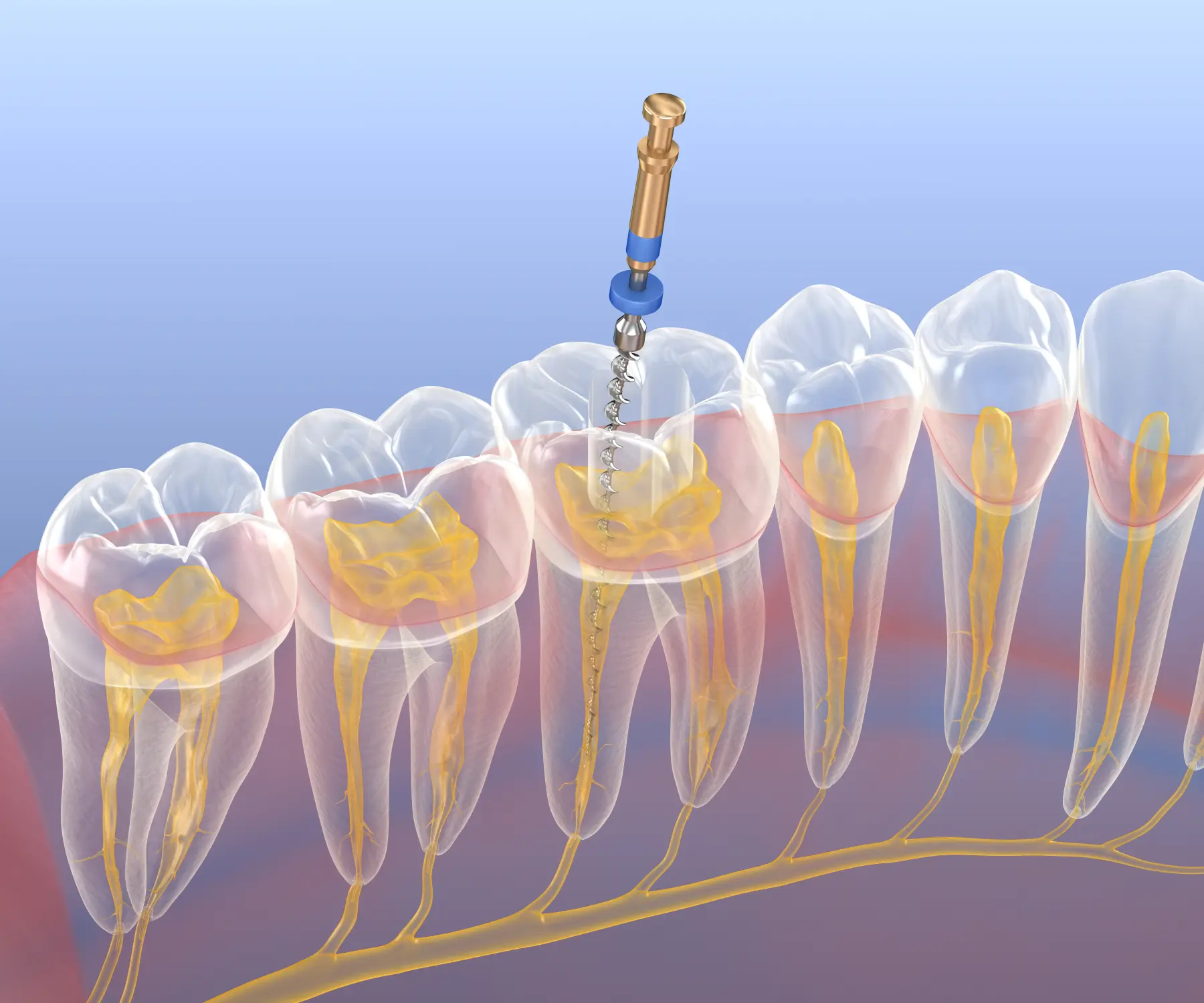
During a root canal procedure, infected or inflamed tissue inside the tooth is removed. In most cases, this resolves the issue. However, some patients may experience lingering symptoms due to infection at the tip of the tooth root, deep within the jawbone, which standard root canal treatment cannot always reach.
An apicoectomy, or root-end surgery, is a minor surgical procedure designed to remove infected tissue and seal the tip of the root to prevent further complications. This procedure is often necessary when:
Without treatment, these issues could lead to severe infection, bone loss, or the need for tooth extraction. An apicoectomy offers a last-resort option to preserve your natural tooth, avoiding the need for implants or a bridge.
Hearing the word “surgery” might feel overwhelming, but at RI Oral Surgery & Implant Center, we’re committed to providing a stress-free, comfort-focused experience for every patient. With Dr. Ray English’s advanced training and compassionate care, our goal is to ensure you feel confident and at ease from consultation through recovery.
Preserving your natural tooth whenever possible is always the best option. Natural teeth maintain jawbone structure, support neighboring teeth, and function better for chewing. While dental implants are an excellent option for replacing lost teeth, an apicoectomy allows you to avoid extraction and keep your original smile intact. Dr. English’s expertise in surgical solutions enables him to help you make the best choice for your dental health.
We understand that dental surgery can feel intimidating, especially if you have dental anxiety. That’s why we emphasize comfort and provide a full range of sedation options. Most patients report minimal discomfort during the procedure itself, and post-operative pain is typically manageable with a proper home care routine.
In most cases, an apicoectomy successfully resolves infections that couldn’t be addressed with traditional root canal therapy. However, Dr. English will thoroughly examine your individual case and discuss all treatment options to ensure the best possible outcome.
Recovery time varies depending on the complexity of your case, but most patients return to their normal routine within a few days. Further healing happens in the background, and is usually complete within one to two months.
At RI Oral Surgery & Implant Center in Cranston, we don’t just treat teeth, we treat people. Every step of your apicoectomy journey is designed with your comfort and peace of mind in mind. Dr. Ray English, a Rhode Island native and award-recognized oral surgeon, takes pride in using modern technology and compassionate care to deliver exceptional outcomes. With personalized treatment plans, clear communication, and a calm, reassurance-driven approach, you’ll feel confident and well-informed every step of the way.
If you’re experiencing persistent pain, swelling, or discomfort after a root canal, don’t wait. The sooner you seek professional evaluation from an oral surgeon, the better the chances are of saving your natural tooth.
Call (401) 732-1188 today to schedule a consultation with Dr. Ray English at RI Oral Surgery & Implant Center in Cranston. Let us help you get back to a pain-free, healthy smile in a comfortable, stress-free environment.

Are you interested in dental implants or in finding out if you’re a good candidate for oral surgery? Schedule a consultation with Dr. Ray English III today! He’ll take the time to get to know you, and provide treatment plan options that are tailored to your unique needs, so you can get the care that’s right for you.

Monday: 8am - 4pm
Tuesday: 8am - 4pm
Wednesday: 8am-4pm
Thursday: 8am - 4pm
Friday: 8am - 12pm
Saturday: Closed
Sunday: Closed

